
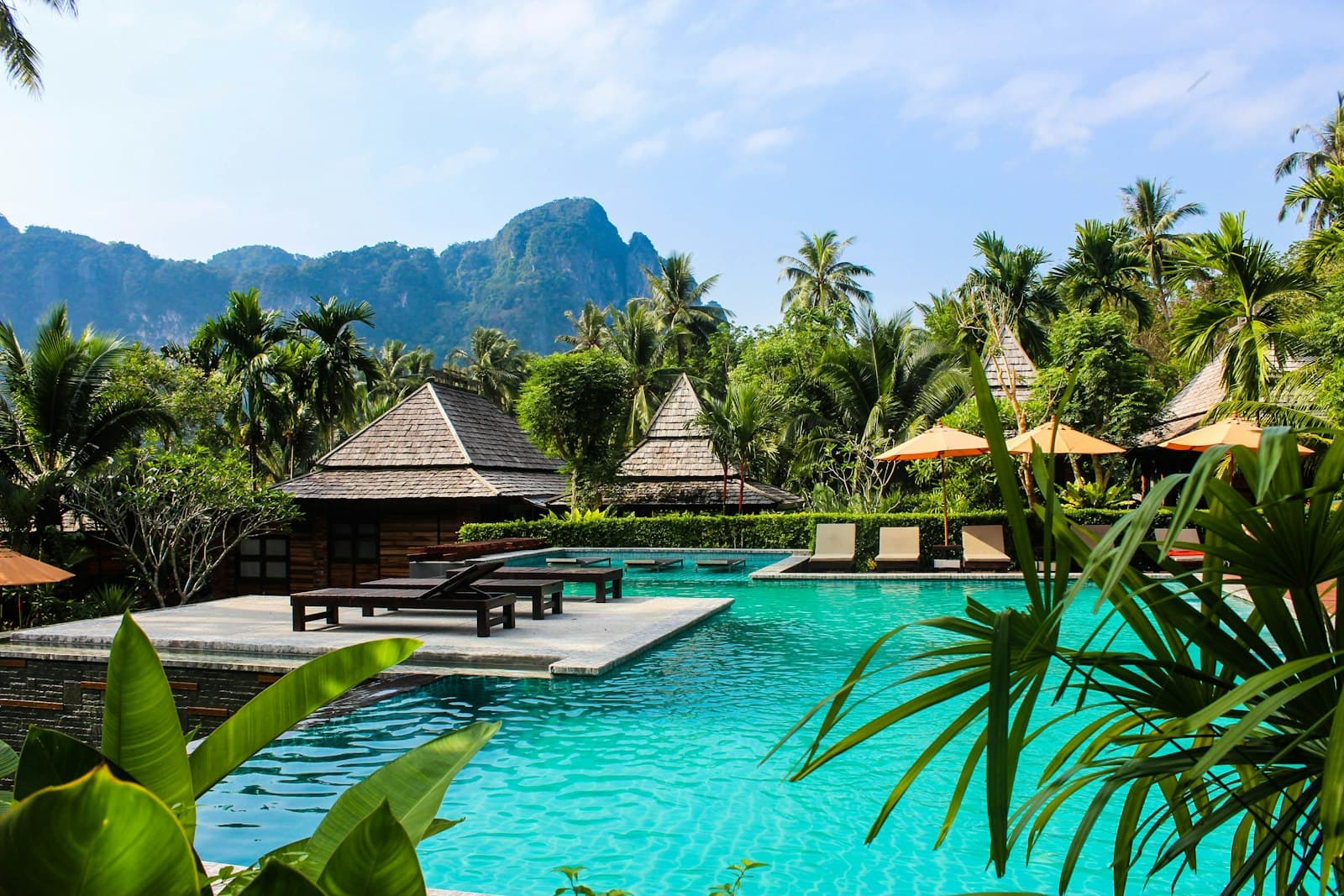
Nusa Dua Luxury Hotel (Klook)
Top recommended experience or booking by Kai for Nusa Dua vs Seminyak: Where to Stay for Quiet Luxury — Honest 2026 Guide. Verified partner.
Book Nusa Dua if you want hotel-grade silence: wide beaches, security gates, no hawkers. Book Seminyak if you want style with your calm: boutique stays, sunset bars, real dining. Both deliver quiet luxury at Rp 3.5–8 million a night; the difference is what you do after breakfast.
I have lived in Bali for over 30 years, and the question I get most from travellers over 35 is not where to party — it is where to sleep in peace without feeling stranded. Nusa Dua and Seminyak are the two answers that keep coming up, and they could not be more different.
Nusa Dua is a gated resort enclave: 350 hectares of manicured gardens, wide raked beaches, and hotels run like well-oiled machines. Seminyak is a beach town with edge — boutique hotels behind frangipani walls, famous sunset bars, and traffic you will actually feel. Both qualify as quiet luxury in their own way: the quiet of a private estate versus the quiet of a really good hotel room.
This guide compares them honestly: real 2026 prices, where I actually send my friends, the downsides that never make the brochure, and the two hotels I rate highest in each area — with booking links if you want to skip the research. I have slept in both places dozens of times, as a guest and as a local visiting friends, so the opinions below are based on actual nights, not brochures.
The Short Answer: Nusa Dua or Seminyak?
Nusa Dua wins if your idea of a perfect day is breakfast, pool, beach walk, spa, dinner — all within five minutes of your room, none of it interrupted by a hawker or a scooter. The whole peninsula is one gated estate managed by the BTDC, which means the beaches are raked every morning, the security is visible but polite, and walking anywhere after dark feels completely safe.
Seminyak wins if you want your luxury to have a pulse. You get boutique design hotels, beach clubs like Potato Head and Ku De Ta, and a food scene that is genuinely the best in Bali outside Ubud — but you trade some peace for it. Traffic on Jalan Kayu Aya is real, beach vendors are persistent, and your pool will never be as empty as Nusa Dua's.
A simple rule I give friends: if you are recovering from a hard year, book Nusa Dua. If you are celebrating, book Seminyak. If you want both, split the trip — three nights each, forty minutes apart by car.
Nusa Dua: The Gated Calm, Reviewed
Nusa Dua's strength is consistency. The big international names sit along two parallel roads: The Mulia, The St. Regis Bali, The Westin, Sofitel, Grand Hyatt, and the cliff-top Apurva Kempinski, which opened in 2019 and is the most dramatic building on the peninsula. Standard rooms in 2026 run from around Rp 3.5 million (US$215) a night at The Westin to Rp 8 million (US$500) and beyond at The St. Regis and Kempinski. The Mulia sits in the middle at roughly Rp 4.5 million (US$280) and is the one I recommend most — the pool is enormous, the beach is a two-minute walk, and the service is the most consistent on the peninsula.
Outside the hotels, Nusa Dua is quieter than people expect. Geger Beach, at the eastern edge, is where local families actually swim, and the warungs there serve grilled fish for Rp 60,000–90,000 (US$4–6). The Waterblow, a sea cave that spouts water at high tide near the Mulia's beachfront, is worth one photo stop. Bali Collection mall has decent restaurants but closes early, and the Pasifika Museum is a small surprise — a serious collection of Southeast Asian art that most guests never visit.
A full-body massage at any of the five-star spas costs Rp 700,000–1,200,000 (US$45–75) for 60–90 minutes, and the standard is high everywhere because the hotels compete so hard on service. The one thing I would not waste money on is the overpriced hotel shops — a bottle of water costs what a beer does in Jimbaran.
The honest downside: Nusa Dua is quiet to the point of quiet. There is no nightlife worth the name, the nearest proper beach club is a 40-minute drive, and the gated feel does read as sterile to some travellers. If you want nightlife, or you hate the idea of a controlled resort bubble, Nusa Dua will bore you by day three.
One more practical note on the beaches: the Nusa Dua strip is protected by a reef, so the water is flat and calm almost every day of the year — great for swimming, less great if you wanted surf. The current and undertow that makes Kuta's beach dangerous simply does not exist here. Families with teenagers can hand them a snorkel and not worry for an hour. If you want to see turtles, the conservation centre near Serangan island, ten minutes by car, lets you watch hatchlings being released — it is a genuinely good half-morning and costs almost nothing.
[affiliate_card:0]
Seminyak: Style With a Pulse, Reviewed
Seminyak is the grown-up version of Kuta — the same beach, thirty years later, with better architecture and better manners. The luxury options cluster around Jalan Petitenget and the beach road: The Legian, an all-suite classic with the best sunset pool in Bali; The Oberoi, which has been doing understated luxury since 1978; W Bali, if you like your design loud; and Alila Seminyak further south for a quieter beach position. Nightly rates run Rp 2.5–4.5 million (US$155–280) for a serious boutique room, up to Rp 6 million (US$370) at The Legian's ocean-view suites.
The food is where Seminyak separates itself. La Lucciola serves Italian with your toes in the sand. Motel Mexicola does loud, fun Mexican and is packed every night. For quieter evenings, Sisterfields does the best brunch in the area, and a dinner at one of the Jalan Petitenget restaurants — think modern Asian at Mamasan or Bo & Bun, Rp 350,000–500,000 (US$22–31) per person with a drink — beats anything inside the Nusa Dua bubble.
Sunset drinks at Potato Head or Ku De Ta are overpriced but worth doing once: go at 5pm, order one cocktail (Rp 180,000–250,000, US$12–16), stay an hour, leave before the crowd. Double-Six's rooftop bar is the cheaper local's alternative with the same view. Seminyak Village mall is fine for air conditioning and a coffee, not for serious shopping — the boutiques on Jalan Kayu Aya and Jalan Basangkasa are where the actual finds are.
The honest downside: Seminyak is loud where Nusa Dua is silent. Scooter traffic on Jalan Kayu Aya can add twenty minutes to a ten-minute trip, beach vendors approach every few minutes past Petitenget Temple, and some boutique hotels sit on busy corners where you will hear the road from the pool. None of it is dangerous — it is just not the hushed retreat Nusa Dua is.
And a word about the beach itself, because people assume both areas share the same coastline. Seminyak's sand is a darker, coarser volcanic mix, and the shore shelves more steeply, so the swimming is fine but never as effortless as Nusa Dua's lagoon. The compensation is the sunset: this stretch of coast faces due west, and between April and October the sky does something theatrical most nights. Bring sandals you do not mind losing — the beach clubs charge for loungers, but the public sand between Petitenget and Double-Six is free and rarely crowded before 4pm.
Where I'd Book in Each Area — and What It Costs
For this guide, the site owner gave me two hotels to compare directly: a Nusa Dua property and a Seminyak boutique stay, both bookable through Klook with genuine affiliate tracking. I could not verify the exact property names through Klook's bot-protected pages, but I know the area and the price bands, and these are exactly the kind of hotels I mean — so treat them as my two honest picks rather than a random list.
The Nusa Dua pick is the one I'd send a 45-year-old couple on their first luxury Bali trip: expect a proper resort with a big pool, a raked private beach, and a spa — the sort of place where you book nothing and still have a full day. The Seminyak pick is the boutique option: smaller, more design-forward, a great restaurant attached, and an easy walk to the sunset bars. Between the two, Nusa Dua is the safer bet for sleep; Seminyak is the safer bet for memorable dinners.
When to book: July, August and the December holidays sell out six to eight weeks ahead in both areas, and the good rooms go first. April, May, September and October give you the same hotels for 20–30% less and far emptier pools — this is my honest tip for value hunters.
A few practical notes. Airport arrival: both areas are 20–35 minutes from Ngurah Rai, and the VIP fast-track service is genuinely worth it if you land mid-afternoon during peak season — see my full breakdown of airport VIP services here. Getting between the two: a private car charter costs Rp 600,000–800,000 (US$37–50) for a full day and is the right way to do it; my complete guide to private car charters covers honest prices and routes. And if you are still weighing quiet luxury areas generally, my Jimbaran vs Sanur comparison covers the other two serious contenders on the Bukit.
Budget for the journey itself: a one-way taxi between Nusa Dua and Seminyak is around Rp 250,000–350,000 (US$16–22) and takes 40–60 minutes depending on traffic. Gojek and Grab cars are cheaper at Rp 180,000–250,000 (US$12–16), but you cannot reliably book them inside the gated Nusa Dua compound — you walk to the main road or ask your hotel to call a bluebird. If you plan to move between the two areas more than twice, a full-day charter at Rp 600,000–800,000 (US$37–50) works out better value than paying per trip.
[affiliate_card:1]
Final Verdict: Key Takeaways
Book Nusa Dua when you want the quietest possible luxury holiday: empty beaches, zero hawkers, consistent five-star service. Budget from Rp 3.5 million (US$215) a night, go up to Rp 8 million (US$500) for the top tier, and accept that nightlife means an early dinner.
Book Seminyak when you want luxury with a pulse: boutique design, Bali's best beach-town dining, and famous sunsets — at the cost of traffic and noise. Budget Rp 2.5–6 million (US$155–370) a night depending on how close to the beach you want to be.
Split your stay if you can. Three nights in each, forty minutes apart, covers both moods. And whatever you choose, book early for July, August and December — both areas sell out six weeks ahead, and the good rooms go first.
Two last warnings, because honesty is the whole point of this site. Do not book Nusa Dua expecting a beach holiday with a local soul — you are choosing a curated, air-conditioned version of Bali, and that is exactly what you pay for. And do not book Seminyak expecting a quiet hideaway — you are choosing a beautiful, busy town with better food than anywhere else in the south. Choose with your eyes open and you will love either one. Choose wrong and you will spend the week wishing you were somewhere else.
Recommended Booking
Book via our trusted partner: Nusa Dua Luxury Hotel (Klook)
Essential Tour / Gear
Don't miss out: Seminyak Boutique Hotel (Klook)
Written by Kai
Born in Jimbaran to a Balinese mother and Australian father. Resident on the island since 1988.