
Bali Airport Private Transfer (Klook)
Top recommended experience or booking by Kai for Bali Visa on Arrival in 2026: Real Prices, Airport Queues & How to Get Through Fast. Verified partner.
Bali Visa on Arrival in 2026: Real Prices, Airport Queues & How to Get Through Fast
The 2026 visa on arrival for Bali costs Rp 500,000 (US$35) for 30 days. Apply online as an e-VOA before you fly, keep your QR code ready, and you can clear immigration in under 15 minutes. One 30-day extension costs another Rp 500,000.
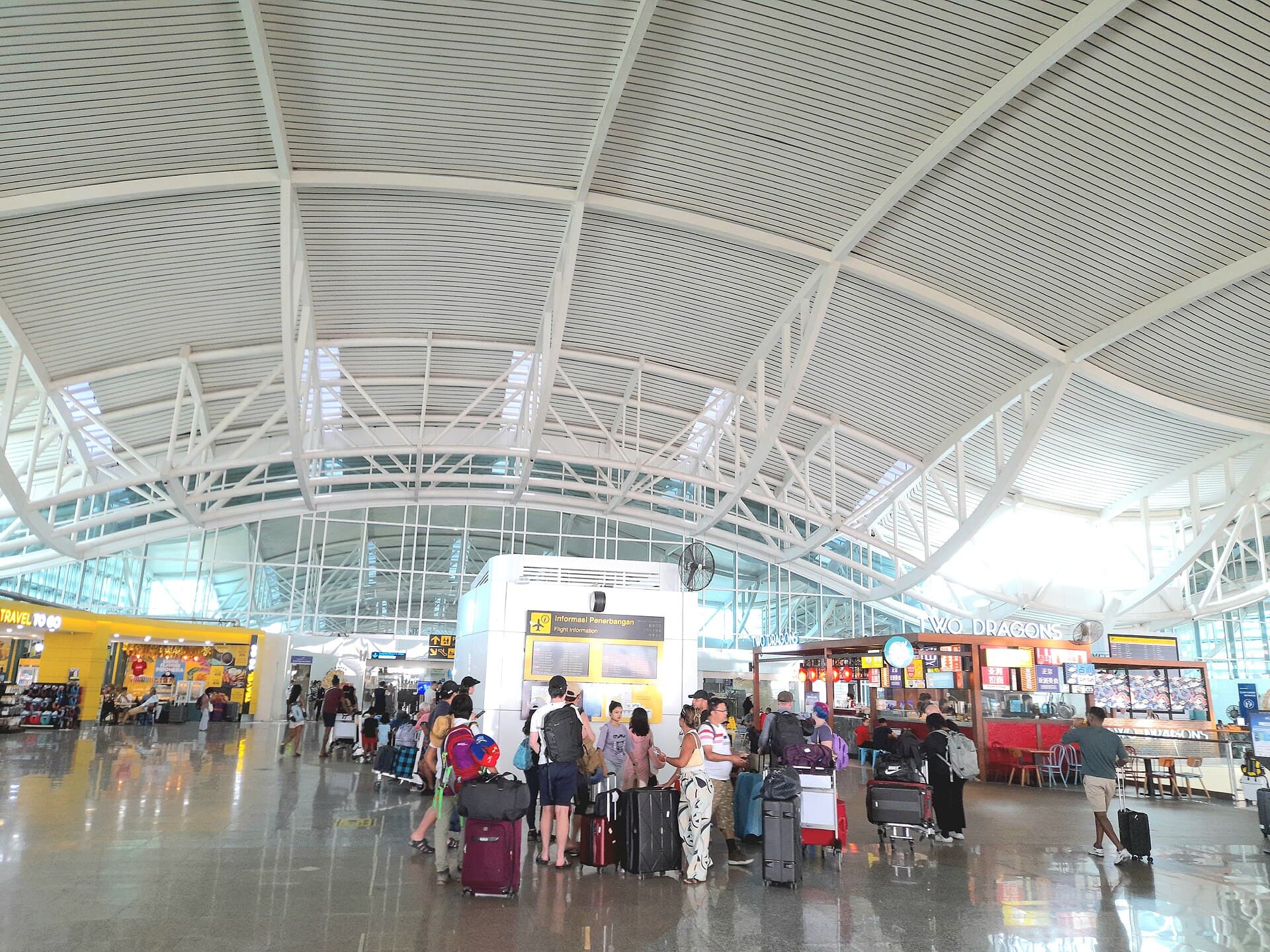
I've walked through the arrivals hall at Ngurah Rai International Airport — DPS, in Tuban, ten minutes from Kuta — more times than I can count. As a kid I waited there for relatives coming home. These days I stand and watch first-timers make the same mistakes over and over, and nearly all of them are avoidable.
Landing in Bali should feel like the start of a holiday, not a test of patience. In peak season, the difference between a 15-minute arrival and a two-hour ordeal usually comes down to three things: your visa, your documents, and knowing exactly what to do when you walk out the door.
The good news is that 2026 is the smoothest it's been in years — the e-VOA system is stable, the customs form is online, and the airport handles big crowds every single day. The bad news is that most delays are self-inflicted: skipped e-VOA, no customs QR code, changing money at the wrong counter, and jumping into the first taxi that waves you over.
Here's the real 2026 picture: exact prices, honest queue times, and the order I'd do things in if I were arriving tomorrow.
Apply for the e-VOA Before You Fly — Same Price, Half the Wait
The visa on arrival costs Rp 500,000 (US$35) for 30 days, and it's available to travellers from most countries — the current list is published on the official immigration site. You can pay when you land, or you can apply online first as an e-VOA at molina.imigrasi.go.id. Same price, same validity, but you skip the payment queue at the airport entirely.
What you need for the online application: a passport valid for at least six months, a recent photo (a phone selfie against a white wall works fine), your return or onward ticket, a hotel booking, and a credit card for payment. The whole form takes about ten minutes.
Apply a few days before you fly, not the night before. Approvals usually land within hours, but I've seen them take two days. You'll get a PDF with a QR code — screenshot it and save it to your phone's wallet. A paper copy is a good backup: airport Wi-Fi can be patchy at 2am, and nobody wants to be the person juggling boarding passes and a bright phone screen in the immigration queue.
Honest downside: the e-VOA site can be picky with payments. If your card gets rejected, try again or use a different card — it happens to locals too. If it still fails, don't panic: you pay the same Rp 500,000 at the airport and you've only lost time in line, not money.
One more thing: if your passport is from a visa-exempt country, you get 30 days without paying — but that entry can't be extended. If there's any chance you'll stay longer, take the paid VOA and keep the extension option open.
Need longer? The VOA can be extended once for another 30 days at Rp 500,000 — in Bali that's handled at the immigration office in Denpasar on Jalan D.I. Panjaitan. The e-VOA extension can also be filed online through the same portal, which saves you a morning in line.
Landing at Ngurah Rai: What Actually Happens, Step by Step
DPS has one international terminal and the process is consistent. Here's the order: you walk off the plane, follow the crowds through the corridors, hit immigration, collect your bags, clear customs, and walk out into the arrivals hall. Simple on paper — the details are where people lose time.
Immigration is the bottleneck. If you have the e-VOA QR code, head for the scanner lanes — scan, stamp, done, usually under 15 minutes. If you haven't paid yet, you queue at the payment counters first and then join the same queue. On a busy evening, that extra step can cost you 30 to 45 minutes.
Timing matters more than people think. The big international flights land in the late afternoon and evening, so 4pm to 8pm is peak queue time. Morning arrivals — before noon — regularly walk through in ten minutes. If you're choosing flights anyway, choose the morning one.
Customs is next. Indonesia uses an online customs declaration (the e-CD, at ecd.beacukai.go.id) that you can fill in up to 48 hours before landing, and one QR code covers your whole family. Have it ready and you'll clear the scan in seconds. Without it, you'll be standing at a kiosk typing in passport details while everyone else walks past.
Baggage claim at DPS is fast by international standards — bags usually start hitting the carousel 15 to 20 minutes after you clear immigration. The real delay is never the bags; it's the queues before them, which is why the order of operations above matters more than anything else.
If you want to skip all of it, the airport's fast-track VIP service meets you at the aircraft door and walks you past immigration and customs. It costs more, but on the worst days it saves you an hour and a half. I've broken down exactly what it costs and whether it's worth it here.
Families with small children get a quieter route: airport staff direct parents with prams to the family lane at immigration. Don't be shy about asking — it's one of those small courtesies that makes DPS genuinely easier than most Southeast Asian airports.
One trap worth naming: anyone who approaches you inside the terminal offering to 'help' with your bags or your visa is not airport staff. Immigration officers don't walk the queue offering assistance, and official help desks have clear signage. A polite 'no thank you' repeated twice is all it takes.
Once you're through, the arrivals hall hits you with the usual wall of drivers holding name boards and men in neat uniforms offering 'cheap' taxis. Your first decision — how to get out — is the one most people get wrong.
[affiliate_card:0]
Money and SIMs in the Arrival Hall: What I Actually Do
The exchange counters inside the terminal advertise zero commission, but the rate they give you is several percent worse than what you'll get from a licensed changer in town. For your first couple of hours you don't need cash anyway — cards work everywhere in Bali now, including the airport shops and the official taxi counter.
My move: withdraw about Rp 1,000,000 (US$65) from the BCA or BNI ATM in the arrivals area — the fee is roughly Rp 25,000 to 50,000 — and sort out bigger cash needs later at a proper money changer. You lose less that way than at the booths.
For connectivity, Telkomsel and XL both have booths in the arrivals hall, and tourist SIMs run about Rp 100,000 to 150,000. But honestly, you're better off sorting this before you land. I tested the eSIM and physical SIM options this year and wrote up which one I'd buy and what it really costs here.
Small note: the airport shops and cafes take cards, but keep some small notes for your first day — drivers, warungs, and tips at your villa all prefer cash in hand. Rp 100,000 notes are the sweet spot.
Getting Out of the Airport: Taxis, Ride-Hail and Private Cars
Option one is the official airport taxi counter — fixed, prepaid prices by zone, no haggling. You'll pay roughly Rp 150,000 to 250,000 to Kuta, Rp 250,000 to 350,000 to Seminyak, and Rp 400,000 to 550,000 to Uluwatu or Nusa Dua. It's honest and it works, but at peak hours you still wait in line.
Option two is Grab or Gojek. The apps work at DPS now, but drivers can't queue at the arrival kerb — they wait in the covered parking structure, and you follow the ride-hail signs to meet them. In busy season the walk is five to ten minutes, and surge pricing can make the official counter the cheaper choice.
Option three — my recommendation for most readers here — is a pre-booked private transfer. Your driver waits in the arrivals hall with a name board, takes your bags, and has the car running outside. It's typically Rp 350,000 to Jimbaran and Rp 450,000 to 600,000 to Seminyak or Uluwatu. The point isn't the price: it's that there's zero thinking involved after a long flight.
If your driver isn't there — it happens maybe one time in fifty — call the WhatsApp number on your booking confirmation before you do anything else. Every reputable company in Bali runs on WhatsApp, and they'll reroute someone within ten minutes. Don't accept the ride offered by the men who materialise next to you while you're on the phone.
If you're staying a week or more, skip the single-transfer approach and book a car with a driver for the whole stay — it works out cheaper per day and you're not hunting for transport every morning. The real 2026 prices and my honest advice on that are in the car charter guide.
And if you're headed straight to Uluwatu or Nusa Dua after landing, factor that first run into your plans: both are a solid 45 to 60 minutes from the airport in normal traffic, so a pre-booked transfer stops being a luxury and becomes the sensible default.
One honest warning before you relax: Bali traffic is real. Between 5pm and 8pm the airport road and Sunset Road jam up hard, and that '20-minute' run to Seminyak can stretch to 45. Book your first dinner somewhere near your hotel and give yourself a lazy first evening. The island will still be here tomorrow.
[klook_widget:1361685]
The 10-Minute Arrival Checklist
1. Apply for the e-VOA at molina.imigrasi.go.id a few days out — Rp 500,000 (US$35), 30 days — and screenshot the QR code.
2. Fill in the customs e-CD at ecd.beacukai.go.id within 48 hours of landing — one QR code covers the whole family.
3. Withdraw Rp 1,000,000 at the arrivals ATM and walk straight past the exchange booths.
4. Pre-book your transfer. It's the difference between a holiday starting and a chore beginning.
5. Land in the morning if you can, and keep your first dinner close to the hotel.
6. Save the WhatsApp number from your transfer booking the moment you pay — not when you land.
I've done this run more times than I can count, and the people who breeze through are never the ones with the most money — they're the ones with the QR codes and a plan. Sort these six things and you'll be poolside in Jimbaran, Nusa Dua, or Seminyak with a drink in your hand while the queue behind you is still figuring out its visas.
Recommended Booking
Book via our trusted partner: Bali Airport Private Transfer (Klook)
Essential Tour / Gear
Don't miss out: Private Car Charter with Driver (Klook)
Written by Kai
Born in Jimbaran to a Balinese mother and Australian father. Resident on the island since 1988.