
Bali eSIM & Data Plans (Klook)
Top recommended experience or booking by Kai for Bali eSIM vs SIM Card 2026 — Which to Buy & Real Prices. Verified partner.
Buy an eSIM online before you fly. It costs about the same as an airport SIM, works the second you land, and skips the queues at Ngurah Rai. If your phone is older, grab a Telkomsel tourist SIM at the arrivals hall instead — both are under Rp 150,000.
The first thing I do when someone visits me in Jimbaran is ask what kind of phone they carry. Not because I'm nosy — because connectivity decides how smooth the first 48 hours in Bali feel. Land at Ngurah Rai without a plan and you'll pay triple for a SIM, wait in a line that snakes past the money changers, or worse, rely on airport WiFi that drops every time you walk.
I've watched this play out for 30 years, from my mother's village in Jimbaran to the airport counters I pass every time I fly out to see family in Perth. The good news: it's now easier and cheaper than ever to stay connected, thanks to eSIMs. The bad news: most guides still repeat outdated advice about buying SIMs at the airport.
This guide covers what actually works in 2026 — real prices in rupiah and dollars, where coverage genuinely fails, and the setup steps I run through for every guest who stays with me. No fluff, no brand hype, just what I'd tell a friend.
eSIM vs Physical SIM: What Actually Works in Bali
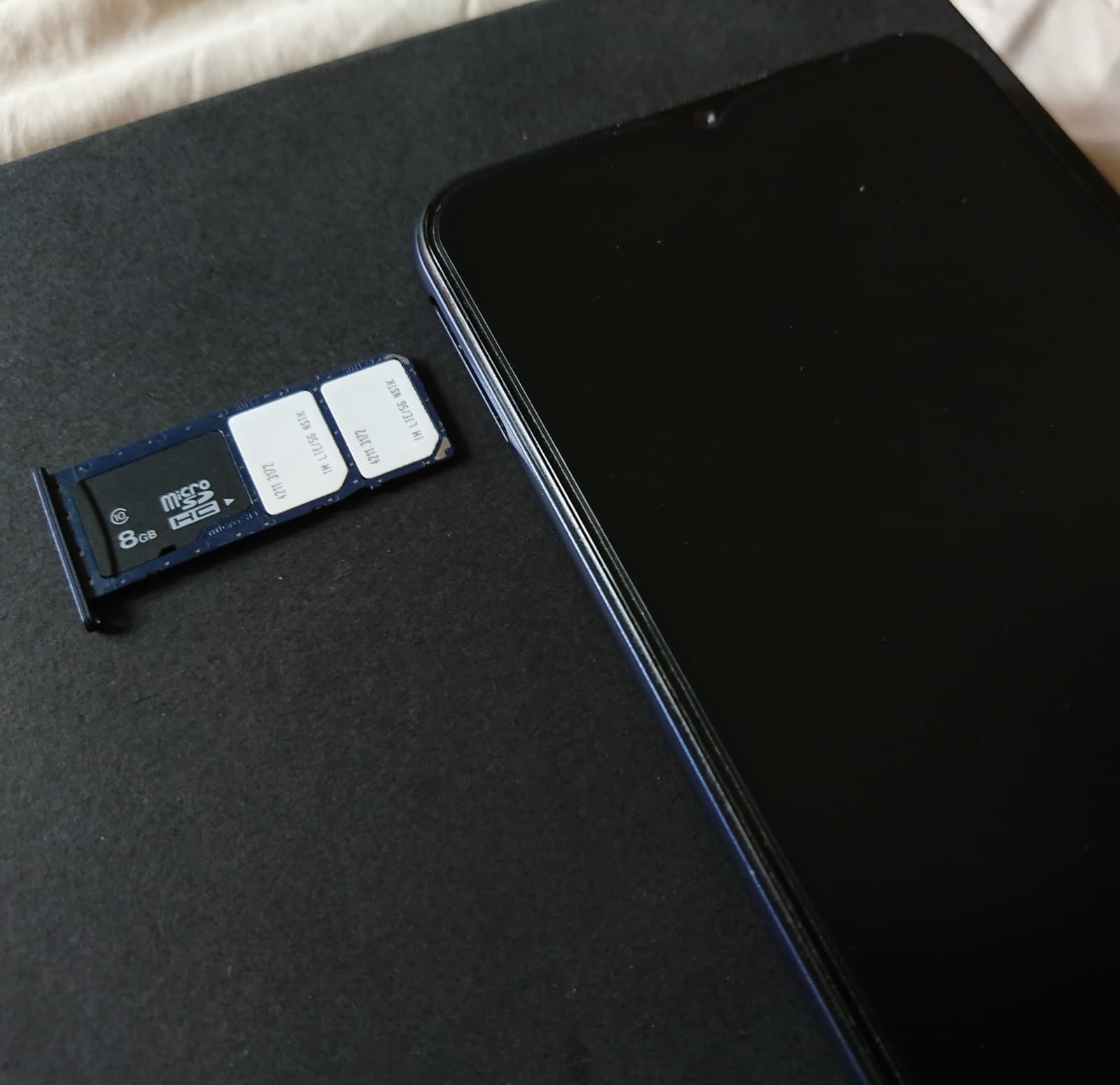
An eSIM is a chip already built into your phone. You scan a QR code, the carrier profile downloads, and you're connected — no plastic card, no tray, no counter visit. A physical SIM is the old way: buy a card, pop it in, and hope you don't drop the nano-sized thing on the arrivals floor. I've seen it happen.
In Bali, both work fine. Telkomsel is the network I'd pick for coverage — it's the local giant and it reaches the places tourists actually go. XL and Indosat are cheaper but patchier, and on a trip where you're living on maps and WhatsApp, saving Rp 20,000 isn't worth a dead zone in Ubud.
The catch with eSIMs: your phone has to support them. Anything from an iPhone XS (2018) or newer works, and most Androids from 2020 onward. If you're traveling with an older phone — or one bought in the US that's still carrier-locked — an eSIM may not be an option. Check your settings under Cellular or Connections before you leave.
One thing to know: Indonesian tourist SIMs are registered to your passport — it's been a legal requirement since 2018. You'll hand over your passport at the counter either way, so buy from official places only. Roadside stalls sell “registered” cards that die after a week when the registration gets revoked, and nobody wants to be re-registering a SIM on day six of a honeymoon.
Why I push eSIM for most visitors: it keeps your home SIM active. Bank apps text you verification codes, and if you swap your physical SIM out, those codes go nowhere — a real problem when your card gets blocked at an ATM in Canggu at 11pm. With an eSIM, your home number stays alive and the Bali data runs alongside it.
A question I get a lot: do you even need data in Bali? If you're staying at a proper villa or resort, the WiFi is usually good enough for evening browsing — but you still need your phone on the street: Gojek pickups, restaurant menus, directions to warungs, and translating a 40-ingredient menu at a local place. Trust me, you want data.
Real Prices in 2026: Airport vs Online
Let's talk numbers, because the spread is bigger than most guides admit. At Ngurah Rai arrivals, the main counter is Paxalo — the airport's own tourist SIM brand — plus a Telkomsel booth. A 30-day pack with 10–20 GB runs around Rp 130,000–180,000 (roughly USD 8–11 at the current rate of about Rp 16,200 per dollar).
Online eSIMs from Klook, Airalo, or Holafly land at USD 8–25 (Rp 130,000–400,000) depending on data volume and validity — 5 days for light users, 30 days for heavy ones. The QR code lands in your inbox before you board, and you're connected the moment the plane door opens.
There's a middle path: Telkomsel's official eSIM through the MyTelkomsel app, around Rp 100,000–130,000 for 30 days. It's the best value if you don't mind fiddling with an Indonesian-language app. Most visitors don't — they'd rather have it sorted before landing, and honestly, that's the smarter trade for a 35-hour travel day.
Where the price differences actually bite: a 7-day tourist pack at the airport costs about the same as a 30-day online eSIM. The airport markup is mostly on short stays, and shops in Kuta and Denpasar sell the same Telkomsel prepaid packs for less — but that means registering with your passport at a counter and topping up through an Indonesian app, which most visitors reasonably skip.
Also watch the fine print on data caps. “Unlimited” plans in Indonesia are nearly always speed-capped after a few gigabytes — you'll drop to 3G-style speeds at rush hour in Seminyak. A 20 GB plan on Telkomsel's real network beats a 100 GB “unlimited” deal on a reseller network, every time.
To put it in context: Rp 150,000 is about the price of a good seafood warung dinner for two in Jimbaran, or one cocktail at a Seminyak beach club. Spending that on two weeks of connectivity is the best value in your entire Bali budget — yet I still meet travelers who skipped it and paid double for taxi detours because their map wouldn't load.
A quick note on the airport experience: queues at Paxalo stretch 15–45 minutes in July and August, and the staff upsell hard. If you've ever arrived after a 20-hour flight and wanted to argue about data packages, you'll understand why I tell guests to sort it at home. And if you want the arrival itself painless too, I've covered the fast-track options in my breakdown of airport VIP services.
[affiliate_card:0]
Coverage & Speed: Where Bali's Network Gets Weak
Telkomsel runs 5G in Kuta, Seminyak, Canggu, Ubud, and Nusa Dua, and speeds there are genuinely good — video calls, Instagram stories, the works. But Bali is a small island with big geography, and the signal drops faster than tourists expect.
The honest weak spots: the mountain road up to Munduk, the Sidemen valley, and most of Nusa Penida outside the main villages. On the ferry across to Penida you'll have nothing for 30–45 minutes, and Uluwatu's clifftop warungs are famous for one bar of 4G exactly when you need it. If you're heading into the hills anyway, my Munduk villa guide is worth a read before you book — the connectivity situation is part of the charm.
For beach clubs and cliff restaurants the pattern is the same everywhere: the better the view, the worse the signal. Down at the sand in Uluwatu or on the cliffs near Karma Kandara, expect your map to freeze. Download the offline version and move on.
Practical advice: download offline Google Maps for the whole island before you arrive, and don't trust live traffic on a scooter ride into the hills. Your driver will know the roads — and I cover realistic prices and routes in my private car charter guide — so your phone doesn't have to.
One more honest downside: many budget eSIMs are data-only. You get gigabytes but no local number. That's fine for WhatsApp, but if you want a number for restaurant bookings or a Grab driver to reach you, pick a SIM with voice — or accept that you'll be the one calling them.
For most visitors, Telkomsel's 5G shows up as a solid 4G+ experience in practice. The towers are there, but tourist plans get deprioritized when the network is busy — don't expect city-grade fiber everywhere. What matters is that calls, maps, and messages work when you need them, and on Telkomsel they reliably do.
And if you're the type who streams video in the car or runs a hotspot for a partner's laptop, buy more data than you think you need. Maps, WhatsApp, and the odd video call will eat 10 GB faster than you expect across two weeks. Upgrading an eSIM is painless; topping up a physical one means a counter visit or a foreign-card payment that sometimes just fails.
My Setup Routine: What I Do Before Every Guest Arrives
I've run this checklist for every friend and family member who visits, and it takes about 20 minutes. Steal it.
First, check eSIM compatibility — iPhone XS or newer, or a 2020+ Android, look under Settings. If your phone doesn't support it, buy a physical SIM voucher online anyway and collect it at the airport counter with a fixed price and no haggling.
Second, buy the eSIM before you fly. Same day is fine — the QR code arrives by email within minutes. Third, download offline maps for all of Bali and screenshot your villa address and booking confirmations. Hotel WiFi in Jimbaran and Seminyak is decent, but I've watched guests stand in a rice field with no signal and no screenshot.
Fourth, set WhatsApp to back up over WiFi and save your driver's number before you land. Fifth, install Grab and Gojek now — they'll verify your account at home, which is ten times easier than doing it on arrival with a fresh SIM.
And the thing most people forget: keep your home SIM active for bank codes. If you're using a physical Bali SIM instead, tell your bank you're traveling and set up a second verification method before you go. Unblocking a card from Bali is a phone call to a number you can't make without a signal — sort it at home.
Finally, have a fallback. Screenshot your eSIM voucher, keep a photo of your passport handy — registration asks for it — and know that DPS arrivals has free WiFi for about an hour, enough to message your driver if everything else fails. My usual advice to anyone landing late: sort connectivity at home, book a private transfer for the first night, and treat the airport like a place you pass through, not a place you solve problems.
[affiliate_card:1]
Bottom Line: What to Buy for Your Bali Trip
If your phone supports eSIM, buy one online before you fly and skip the airport counters entirely. If it doesn't, a Paxalo or Telkomsel physical SIM at arrivals is fine — just budget for the queue. Telkomsel for coverage, offline maps as insurance, and your home SIM kept alive for the bank.
That's the whole secret. Bali's connectivity is nowhere near as scary as the airport chaos makes it look, and once you're sorted, the island does the rest. Come with data, leave with stories.
Prices, coverage, and queue times shift every season — the exchange rate alone moves the rupiah numbers a few percent each month. The advice doesn't: buy before you fly, choose Telkomsel, download the maps, keep your home SIM alive. That's been true for the decade I've been giving this advice, and I don't see it changing.
Recommended Booking
Book via our trusted partner: Bali eSIM & Data Plans (Klook)
Essential Tour / Gear
Don't miss out: Bali SIM Card & Airport Pickup (Klook)
Written by Kai
Born in Jimbaran to a Balinese mother and Australian father. Resident on the island since 1988.