
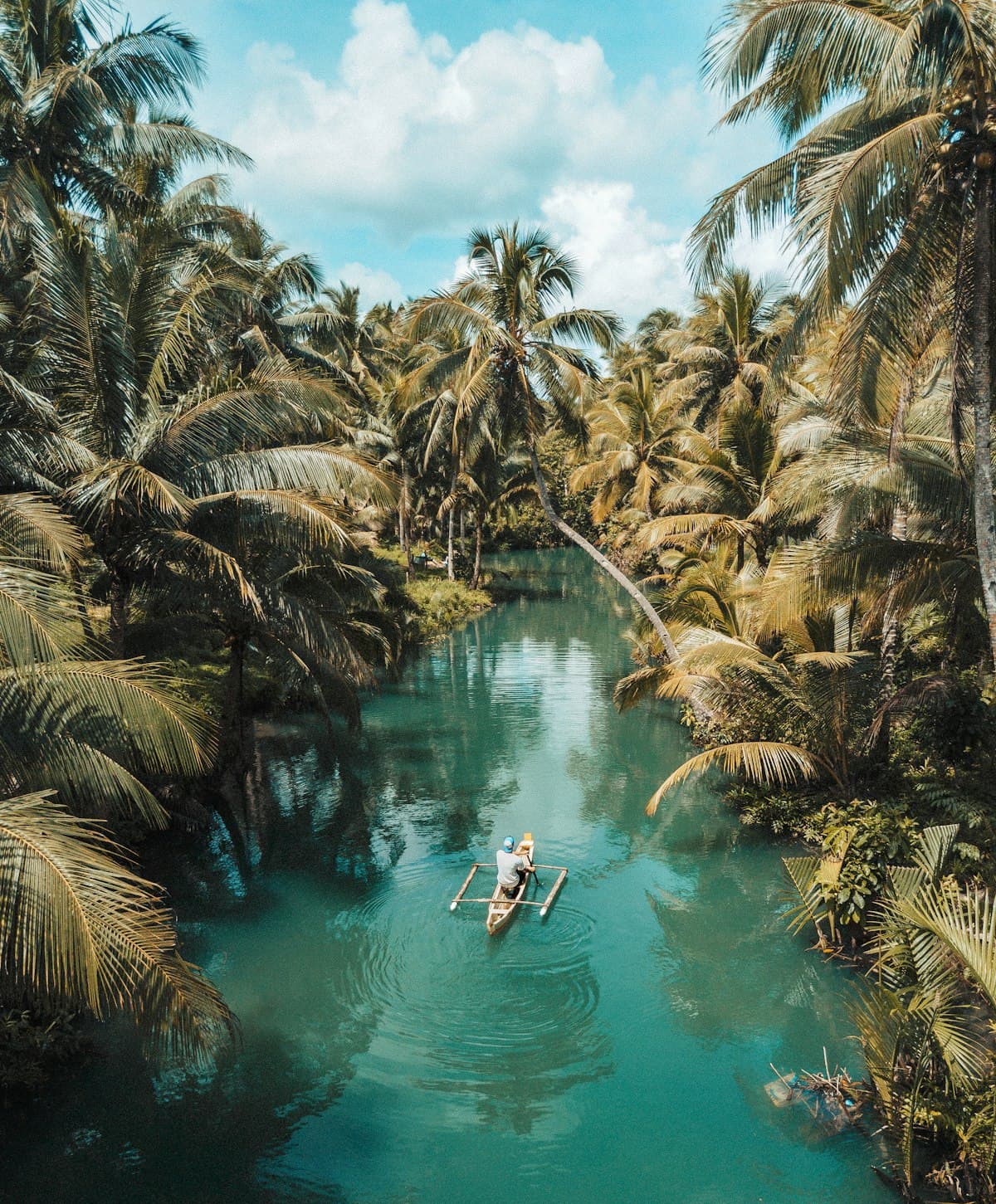
Spiritual Cleansing Full Day Trip (Klook)
Top recommended experience or booking by Kai for Spiritual Cleansing & Shamanic Healing in Ubud — An Honest Guide (2026). Verified partner.
Balinese spiritual cleansing — called melukat — is a real Hindu purification ritual, not a tourist invention. Authentic sessions with a practicing balian (traditional healer) cost Rp 200,000–500,000 and involve holy water, chanting, and sometimes herbal medicine. You'll leave wet, emotionally wrung out, and often genuinely moved. But finding the real thing among Ubud's growing wellness industry takes some navigation. Here's what I've learned growing up with this tradition.
What Balinese Shamanic Healing Actually Is
Let me start with what it isn't. It's not a spa treatment, it's not a palm reading, and it's definitely not the Eat Pray Love experience that brought waves of seekers to Ubud after 2010. Melukat is a purification ritual rooted in Balinese Hinduism — Agama Hindu Dharma — that Balinese people practice regularly, not just when Western tourists show up.
A balian is a traditional healer who serves their community. They treat physical ailments with herbal medicine (usada), address spiritual imbalances through ritual, and sometimes act as mediums. The Balinese understanding of health is holistic: sickness can come from physical causes, from ancestral spirits, from black magic (if you believe in that), or from simply being spiritually "dirty" — which is where melukat comes in.
The core ritual involves a balian reciting mantras in Sanskrit or Old Javanese while pouring holy water (tirta) over you. Sometimes you'll be submerged in a natural spring or river. The water has been blessed at a temple. You'll be given offerings — flowers, incense, rice — to hold or release. The experience can be emotionally intense. I've watched friends cry during melukat, not from sadness but from a sudden release they couldn't explain. One described it as "twenty years of tension leaving my shoulders in twenty minutes."
Authentic Healers vs. Commercial Operations — How to Tell the Difference
[affiliate_card:0]
Ubud's wellness economy has exploded, and with it has come a wave of packaged "spiritual experiences" that borrow Balinese aesthetics without the substance. Here's how I distinguish the real thing from the tourist product:
An authentic balian usually works from their family compound, not a storefront. There's no menu of services — you don't choose between the "chakra alignment package" and the "past life regression upgrade." A real balian will ask about your life, your health, your dreams. They'll look at your palms, your eyes, maybe your birth date in the Balinese calendar. The diagnosis comes first, then the treatment.
Commercial operations, in contrast, operate like day spas. They have fixed prices posted on a website, Instagram-friendly décor, and a script that feels rehearsed. The "healer" might wear a white outfit that looks like a costume rather than traditional ceremonial clothing. I'm not saying these experiences are worthless — some people find them meaningful — but they're not the same thing as visiting a balian who has spent decades serving their banjar (village community).
The language barrier is real. Most authentic balians speak Balinese and Indonesian, with limited English. You'll need a translator or guide. Some Klook experiences include an English-speaking facilitator who translates, which bridges the gap without sacrificing authenticity. The full-day spiritual cleansing trip linked below pairs you with a real balian and provides translation throughout.
[klook_widget:1361685|amount=5]
What to Expect From a Session — Step by Step
Every balian works differently, but a typical melukat session follows this rough structure:
First, the consultation. The balian will ask questions — about your health, your family, your purpose in Bali. They might use a candle flame, a bowl of water, or your palm to "read" your condition. This can take 20 minutes or an hour. Don't rush it.
Then comes the preparation. You'll change into a sarong and sash — traditional temple attire. The balian or their assistant will prepare offerings: small woven palm-leaf baskets (canang) filled with flowers, rice, and incense. These aren't props; they're the same offerings Balinese families make at their home temples every morning.
The cleansing itself is physical. You'll be doused with holy water — sometimes cold, always a shock. The balian chants continuously, and the combination of cold water, incense smoke, and rhythmic Sanskrit creates a trance-like atmosphere even if you're not religious. You might be asked to submerge three times, to drink a small amount of the water, or to wash specific parts of your body while focusing on releasing specific burdens.
The aftermath. You'll feel cold, wet, and possibly disoriented. Most balians give you time to sit quietly afterward. Some offer herbal tea or traditional jamu (turmeric-based drink). This is not the moment to pull out your phone and check Instagram. Sit with whatever came up. Some people feel immediate relief; others don't notice anything for days. The Balinese view is that melukat's effects unfold over time, not instantly.
Real 2026 Prices — What It Costs
Private sessions with an authentic balian in Ubud: Rp 200,000–500,000 (USD $13–32) for a one-hour consultation and cleansing ritual. This is what you'd pay if you found a balian through a local recommendation and arranged it yourself. The price includes offerings, which the balian's family prepares.
Organized experiences through platforms like Klook: Rp 500,000–900,000 (USD $32–58) for a half-day or full-day package. These typically include hotel pickup, an English-speaking guide/translator, the cleansing session itself, and sometimes a visit to a water temple like Tirta Empul or Sebatu. You're paying for convenience and translation, not a better balian.
Tirta Empul temple melukat: Rp 50,000 temple entry fee plus Rp 10,000–20,000 for sarong rental. You can do the self-guided purification in the public pools — no balian required. This is the affordable, accessible version that many Balinese families use. It's authentic but crowded, and you're doing it yourself without a healer's guidance.
The Downsides — Honestly
Language is the biggest barrier. Without a translator, you're guessing at what the balian is saying and what you're supposed to do. I've seen tourists emerge from sessions confused and underwhelmed, not because the balian was bad but because nothing was explained.
Quality varies dramatically. There's no certification body for balians — the title is earned through lineage, apprenticeship, and community recognition, not a course you take over a weekend. A balian who has been practicing for forty years in a village near Tabanan is operating at a completely different level from someone who set up a "healing center" in Ubud last season.
Emotional intensity can catch you off guard. Melukat isn't always gentle. Some people relive trauma, some cry uncontrollably, some feel nothing and then have vivid dreams for a week. If you're dealing with serious mental health issues, a balian is not a replacement for professional care. The Balinese themselves know this — they go to doctors for physical illness and balians for spiritual matters, and the two aren't seen as competing systems.
The commodification problem is real. Ubud's healing industry has created incentive structures that corrupt the tradition. Some "balians" now charge Rp 2,000,000 for an hour, targeting wealthy Westerners who don't know the difference. Others have built Instagram followings around their healing practice, which should be a red flag — traditional balians don't market themselves. Their reputation spreads through word of mouth in the community.
Where to Stay in Ubud for a Spiritual Trip
If you're coming to Ubud specifically for healing or spiritual work, where you stay matters. A party hostel on Monkey Forest Road won't support the headspace you need. I recommend two properties that balance comfort with the right atmosphere:
Visesa Ubud Resort sits in its own working rice fields and traditional village setting. It's designed around Balinese philosophical principles — the layout follows the tri mandala concept (sacred, middle, and profane zones). The resort has its own temple and offers on-site wellness activities including yoga and meditation. It's a 10-minute drive from central Ubud, which means you're close to healers without being in the chaos.
Adiwana Unagi Suites offers a quieter, more intimate experience. It's adults-only, with jungle-facing suites that feel private and serene. The infinity pool overlooks a river valley, and the staff can help arrange visits with reputable local balians. Both properties are linked below through Klook — I've stayed at Visesa myself and sent visiting family to Adiwana Unagi.
Etiquette — Don't Be That Tourist
Wear modest clothing that covers shoulders and knees. You'll change into a sarong for the ritual, but how you arrive matters. Don't show up in beachwear — this is a religious ceremony, not a pool party.
Don't haggle. A balian's fee is not a market price to negotiate. If the price is beyond your budget, visit Tirta Empul for the self-guided version instead. Bargaining over a spiritual service is deeply disrespectful.
Ask before taking photos. Some balians allow it, many don't. The ritual itself should never be photographed without explicit permission — and even then, consider whether a camera belongs in this space at all. I've written about navigating Bali respectfully in my guide to first-week costs and my Jimbaran villa comparison covers cultural etiquette for luxury travelers who want to do it right.
Bring a small offering if you want to go the extra mile. Your translator or guide can help you prepare a canang sari. It costs about Rp 15,000 at any morning market and shows that you understand this isn't a transaction — it's an exchange of respect.
Is It Worth It?
If you approach melukat with genuine curiosity and respect, it can be one of the most meaningful experiences you have in Bali. If you approach it as an item on a bucket list to photograph for social media, you'll miss the point entirely and it will feel empty. The ritual meets you where you are.
I've done melukat at different points in my life — before my wedding, after a difficult year, and once just because my mother insisted. Each time, the experience was different. The water is always cold. The incense always stings your eyes. But something shifts, and if you let it, that shift follows you home.
Recommended Booking
Book via our trusted partner: Spiritual Cleansing Full Day Trip (Klook)
Essential Tour / Gear
Don't miss out: Visesa Ubud Resort (Klook)
Written by Kai
Born in Jimbaran to a Balinese mother and Australian father. Resident on the island since 1988.